Sealants and adhesives play a key role in modern building assemblies, contributing to durability, airtightness, and overall performance. While often overlooked compared to structural components, these materials are essential for joining elements, preventing water intrusion, and maintaining the integrity of the building envelope.
A Brief History of Sealants and Adhesives
The use of bonding and sealing materials dates back to early construction practices. Ancient builders relied on natural substances such as tree resins, animal glues, bitumen, and lime-based mortars to hold materials together and seal gaps. These early solutions provided limited flexibility and durability, but were effective for their time.
The development of synthetic chemistry in the 20th century transformed the industry. Products such as silicone, polyurethane, and acrylic sealants introduced improved elasticity, weather resistance, and adhesion to a variety of substrates. Adhesives also advanced significantly, moving beyond simple glues to engineered products capable of replacing mechanical fasteners in certain applications. Today, high-performance sealants and adhesives are designed to accommodate movement, resist environmental exposure, and meet increasingly strict building standards.
Common Types of Sealants and Adhesives
A wide range of sealants and adhesives are used in construction, each formulated for specific conditions and materials:
- Silicone sealants are known for their flexibility and resistance to UV exposure and extreme temperatures. They are commonly used around windows, curtain walls, and exterior joints where long-term elasticity is required. Silicone maintains performance over time but may have limited paintability.
- Polyurethane sealants offer strong adhesion and durability, making them suitable for both interior and exterior applications. They are often used in expansion joints, concrete assemblies, and areas subject to movement. Polyurethane products can be painted, which adds versatility in finished spaces.
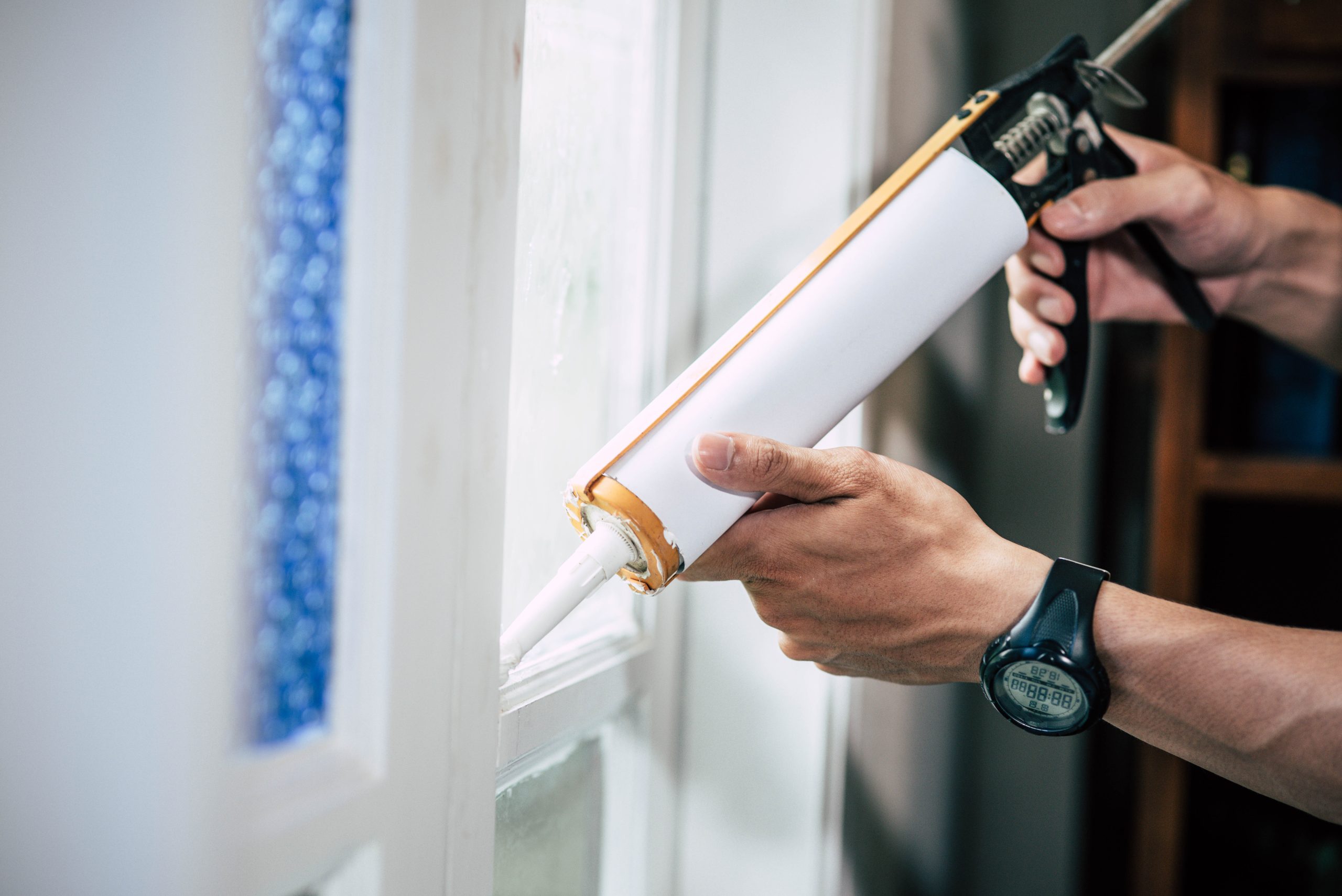
- Acrylic sealants are typically used for interior applications where movement is minimal. They are easy to apply, paintable, and cost-effective, making them a common choice for sealing gaps in drywall and trim work.
- Hybrid sealants, often combining properties of silicone and polyurethane, provide a balance of flexibility, adhesion, and environmental resistance. These products are increasingly used where multiple performance characteristics are required.
- Construction adhesives vary widely depending on their intended use. Some are designed for bonding wood, drywall, or paneling, while others are engineered for structural applications. High-strength adhesives can reduce the need for mechanical fasteners and improve load distribution when used correctly.
Key Considerations for Selection
Choosing the right sealant or adhesive requires careful evaluation of the application and environmental conditions. Substrate compatibility is critical, as not all products adhere equally well to materials such as concrete, metal, glass, or wood. Surface preparation also plays a significant role in performance, with clean, dry, and properly primed surfaces improving adhesion.
Movement capability is another important factor. Joints that expand and contract due to temperature changes or structural shifts require flexible sealants that can maintain a seal without cracking or losing adhesion. Selecting a product with the appropriate movement rating helps prevent premature failure.
Exposure conditions must also be considered. Exterior applications require resistance to UV radiation, moisture, and temperature fluctuations, while interior applications may prioritize paintability and ease of installation.
Finally, installation practices have a direct impact on performance. Proper joint design, correct bead sizing, and adherence to manufacturer guidelines are essential for achieving the intended results.
Sealants and adhesives are integral to the performance of modern building assemblies, bridging the gaps between materials and protecting against environmental intrusion. By understanding their properties and application requirements, project teams can select the right products and ensure effective installation. As building systems continue to evolve, these materials remain a key part of achieving durable, efficient, and well-sealed structures.
Looking for a team to take the lead on your next project? At Pulse Construction, we’re committed to doing business with an honest, professional, and competitive approach – without compromising safety or schedules. Contact us today for all of your building needs.