In commercial construction, mechanical, electrical, and plumbing (MEP) systems form the operational backbone of a building. Often hidden behind walls and ceilings, these systems directly affect safety, comfort, energy efficiency, and long-term operating costs. A solid understanding of MEP fundamentals is essential for delivering buildings that perform reliably from day one and adapt to future needs.
Mechanical Systems
Mechanical systems are responsible for heating, ventilation, and air conditioning (HVAC). In commercial buildings, HVAC systems not only maintain comfortable temperatures, but also ensure proper air quality, humidity control, and ventilation rates that meet code and occupant requirements. Proper mechanical design and installation are critical; poorly sized equipment, inadequate zoning, or improper balancing can lead to uneven temperatures, high energy consumption, and increased maintenance costs. System selection depends on building type, size, climate, and usage patterns, with variable air volume (VAV) systems, rooftop units, heat pumps, and hydronic systems commonly used in commercial applications. Coordination between mechanical systems and the building envelope is also key, as insulation, air barriers, and glazing all influence heating and cooling loads.
Electrical Systems
These systems power every aspect of a commercial building, from lighting and plug loads to life safety systems and critical equipment. Electrical scope typically includes power distribution, lighting design, emergency and backup power, fire alarm systems, and data and communications infrastructure. As buildings become more technology-driven, electrical systems must accommodate increasing power demands while maintaining flexibility for future upgrades. Electrical planning must also consider redundancy and reliability, particularly in facilities such as healthcare, data centers, and industrial buildings where power interruptions are not acceptable.
Plumbing Systems
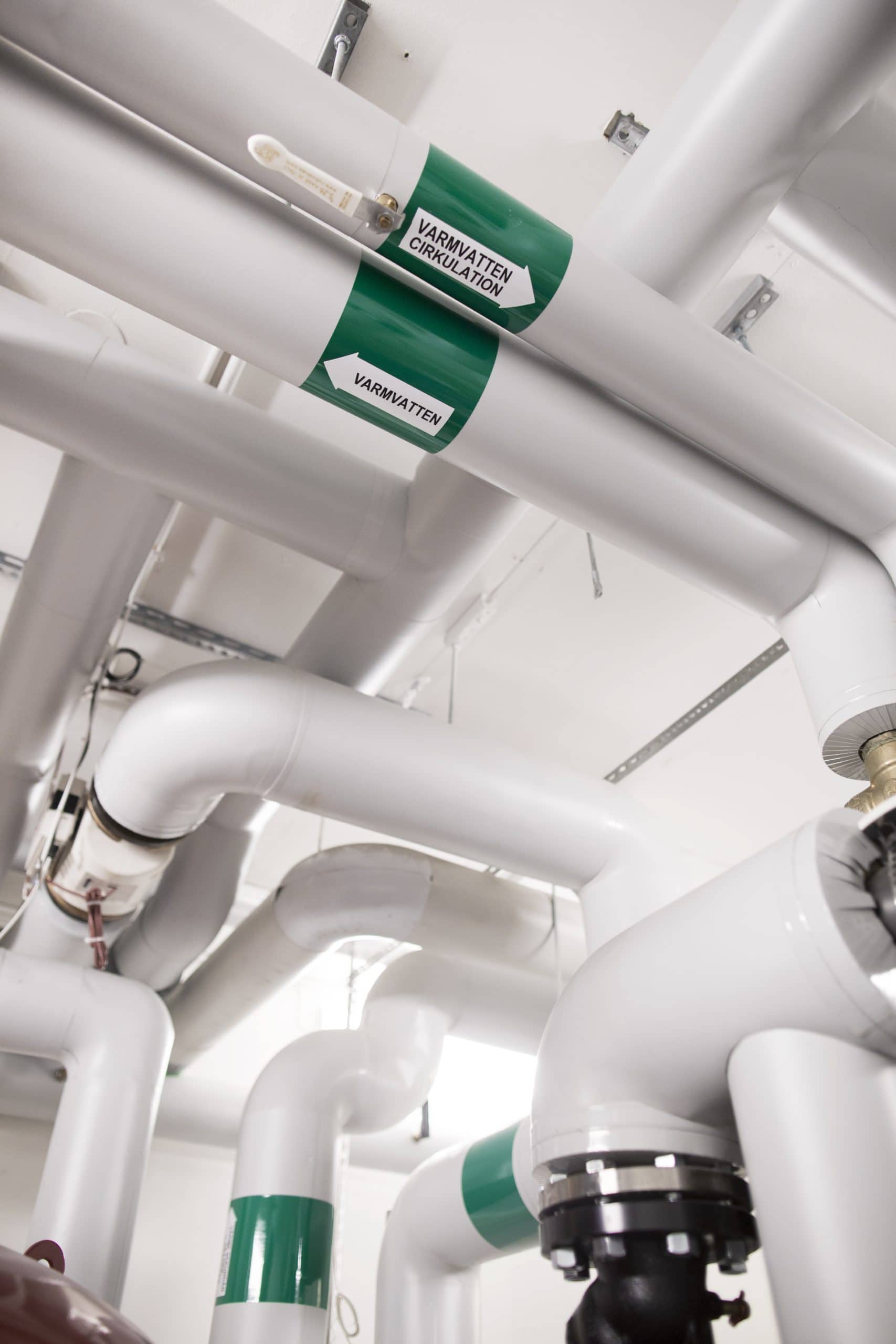
Commercial plumbing systems support water supply, drainage, stormwater management, and specialty services such as gas, compressed air, or process piping. Water-efficient fixtures, low-flow systems, and smart monitoring technologies are increasingly common as owners focus on sustainability and operating costs. Plumbing coordination is especially important due to space constraints and routing challenges; poor coordination can result in conflicts with structural elements or other MEP systems, leading to rework and delays. Early planning and coordinated drawings help ensure efficient installation and long-term serviceability.
Across all three disciplines, MEP coordination is one of the biggest challenges in commercial construction. These systems share limited space above ceilings and within shafts, and issues can quickly escalate if not addressed early. Building Information Modeling (BIM) has become an essential tool for identifying clashes, improving coordination, and streamlining installation sequencing.
Strong MEP fundamentals are about more than technical compliance. Well-designed and properly installed MEP systems support occupant comfort, operational efficiency, and building longevity. For commercial projects, investing in thoughtful MEP planning and coordination reduces risk during construction and delivers long-term value throughout the life of the building.
Looking for a team to take the lead on your next project? At Pulse Construction, we’re committed to doing business with an honest, professional, and competitive approach – without compromising safety or schedules. Contact us today for all of your building needs.