Stormwater management is a critical component of modern construction, influencing site design, regulatory compliance, long-term durability, and environmental performance. As urban development increases the amount of impervious surface, such as roofs, roads, and parking lots, the natural ability of soil and vegetation to absorb rainfall is reduced. Without proper planning, stormwater runoff can cause flooding, erosion, foundation damage, and water pollution. For construction professionals, effective stormwater management is not optional; it is a core responsibility.
Why Stormwater Management Matters
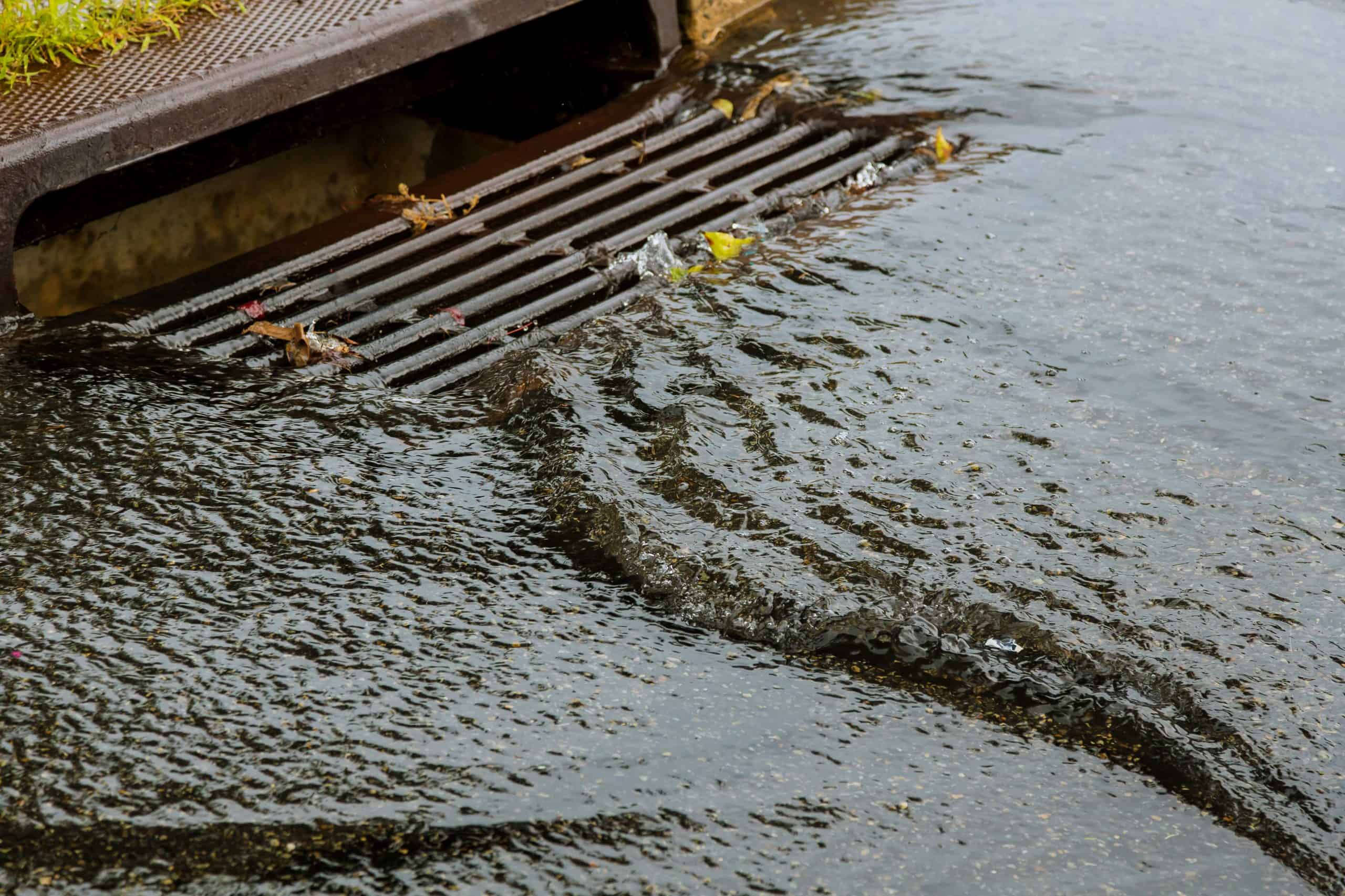
When rain falls on undeveloped land, it typically infiltrates the ground, recharging groundwater and slowly releasing excess water into nearby streams. Construction changes that balance. Impervious surfaces accelerate runoff, increasing both the volume and speed of water flow. This can overwhelm municipal systems and destabilize surrounding soil.
From a structural standpoint, unmanaged runoff can compromise building performance. Water pooling near foundations raises the risk of cracks and basement leaks; on sloped sites, uncontrolled flow contributes to soil erosion and undermines footings, retaining walls, and paved surfaces.
Environmental considerations are equally important. Runoff can carry sediment, oils, metals, and construction debris into local waterways. Regulatory frameworks at municipal and provincial levels typically require erosion and sediment control plans to mitigate these impacts during and after construction.
Core Stormwater Management Strategies
Effective stormwater management begins in the planning phase and continues through construction and site completion. Key strategies include:
1. Site Grading and Drainage Design: Proper grading directs water away from structures and toward designated drainage areas. Swales, berms, and slope adjustments help control surface flow. Subsurface drainage systems, including perimeter drains and catch basins, provide additional protection.
2. Detention and Retention Systems: Detention basins temporarily store runoff and release it at a controlled rate, reducing peak flow to municipal systems. Retention systems hold water longer, allowing infiltration or evaporation. Underground storage tanks may be used on space-constrained urban sites.
3. Permeable Surfaces: Permeable pavers, porous asphalt, and reinforced turf systems allow water to infiltrate rather than run off. These systems are particularly effective for parking areas and walkways, helping restore a more natural hydrologic cycle.
4. Green Infrastructure: Green roofs, bioswales, and rain gardens absorb and filter stormwater while improving site aesthetics. These systems also provide insulation benefits and urban heat island mitigation, adding value beyond water control.
5. Erosion and Sediment Control: During construction, silt fences, sediment traps, stabilized construction entrances, and temporary seeding reduce sediment transport. Phasing site disturbance and minimizing exposed soil areas are best practices for maintaining compliance and protecting nearby properties.
Regulatory and Long-Term Considerations
Most jurisdictions require a stormwater management plan as part of the permitting process. This plan must address both construction-phase controls and permanent post-construction systems. Failure to comply can result in project delays, fines, or required retrofits.
Long-term maintenance is often overlooked but essential. Catch basins require periodic cleaning, permeable pavements must be vacuumed to prevent clogging, and detention systems need inspection to ensure proper outlet function. Designing with maintenance in mind reduces lifecycle costs and preserves system performance.
Stormwater management is more than a drainage issue; it is a multidisciplinary element of responsible construction. By integrating grading, engineered systems, and green infrastructure, contractors and developers can protect structures, meet regulatory requirements, and contribute to environmental resilience. Proactive planning and disciplined execution ensure that stormwater is controlled and managed effectively for the life of the project.
Looking for a team to take the lead on your next project? At Pulse Construction, we’re committed to doing business with an honest, professional, and competitive approach – without compromising safety or schedules. Contact us today for all of your building needs.