
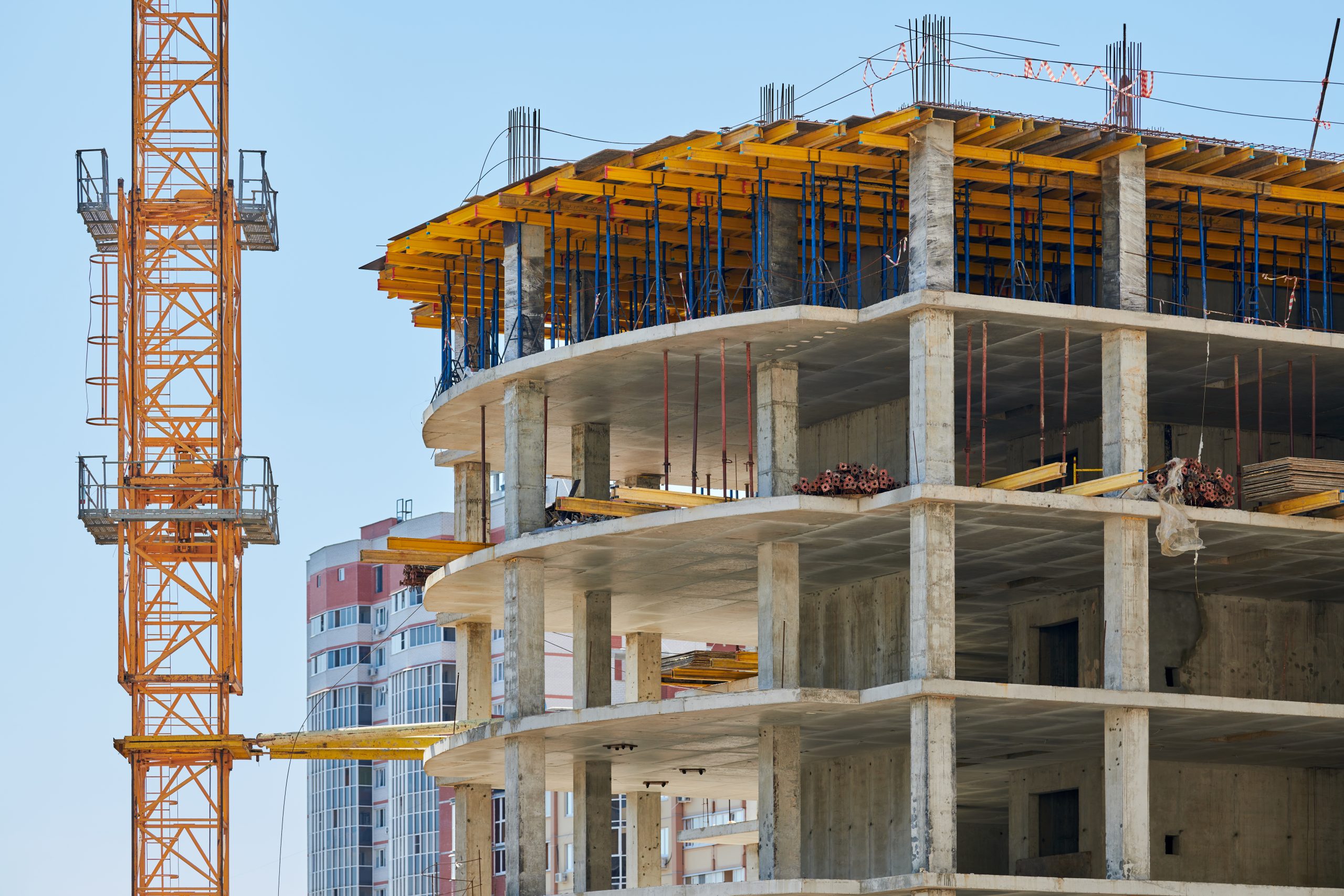
Ontario’s commercial construction sector is dynamic, fast-paced, and full of opportunity, but it also comes with unique challenges. From navigating strict building codes to coping with unpredictable weather, understanding these complexities is key to delivering successful, on-time, and on-budget projects.
1. Navigating Complex Building Codes and Regulations: Ontario has some of the most rigorous building codes in Canada. Between the Ontario Building Code (OBC), municipal bylaws, accessibility requirements, fire regulations, and environmental standards, commercial projects demand meticulous attention to compliance. It is crucial to work closely with architects, engineers, and municipal officials from the early design phase to avoid rework and costly revisions. Staying updated on code changes, particularly around energy efficiency and accessibility, is essential for smooth progress.
2. Weather Conditions That Impact Construction Timelines: Ontario’s diverse climate presents one of the biggest challenges in commercial construction. Harsh winters bring snow, ice, and freezing temperatures, while hot, humid summers create their own complications. Cold weather can slow concrete curing times, increase equipment breakdowns, and reduce worker efficiency. Meanwhile, spring thaw can create muddy, unstable ground conditions. Success means planning with seasonal realities in mind, adjusting schedules, material selection, and staffing to stay productive year-round.
3. Site Constraints in Urban and High-Traffic Areas: Many commercial builds in Ontario occur in dense urban centres like Toronto and Ottawa. Limited space, busy roadways, and proximity to existing businesses or residents complicate logistics, requiring close coordination with city officials, utility providers, and neighbouring properties to manage deliveries, noise, and traffic disruptions. Staging construction equipment in tight spaces requires careful planning, and safety becomes even more critical when working near the public.
4. Rising Material Costs and Supply Chain Uncertainty: Construction material pricing has become increasingly unpredictable over the last several years. Steel, lumber, concrete, and electrical component costs frequently fluctuate due to global pressures. Ontario builders must anticipate potential delays caused by backorders, shipping bottlenecks, and labour shortages. To mitigate risk, contractors often secure materials early, maintain strong supplier relationships, and build flexibility into project timelines and budgets. Transparent communication with clients about cost fluctuations helps keep expectations realistic.
5. Labour Availability and Skilled Trades Shortages: Ontario continues to experience shortages in several skilled trades, including electricians, HVAC technicians, and concrete workers. This can extend schedules and increase costs. Forward-thinking builders invest in apprenticeship programs, partnerships with local colleges, and strong jobsite culture to attract and maintain skilled labour.
6. Environmental and Sustainability Requirements: Ontario’s push toward greener buildings adds another layer of complexity to commercial construction. Energy-efficient designs, low-emission materials, stormwater management, and waste reduction programs are increasingly becoming mandatory rather than optional. Embracing sustainable practices not only ensures requirements are met more easily, but also offers long-term savings and improved building performance.
Commercial construction in Ontario demands adaptability, expertise, and strong planning to respond to the province’s unique challenges. However, with the right team and a proactive approach, Ontario’s commercial construction landscape offers tremendous opportunity for growth and innovation.
Looking for a team to take the lead on your next project? At Pulse Construction, we’re committed to doing business with an honest, professional, and competitive approach – without compromising safety or schedules. Contact us today for all of your building needs.