
A reliable electrical supply is essential to the operation of many commercial facilities. While a brief outage may be an inconvenience in an office or retail environment, interruptions can have much greater consequences in healthcare facilities, data centres, laboratories, manufacturing plants, and other buildings where critical systems must remain operational. Backup energy systems provide a means of maintaining essential operations when the primary electrical supply is interrupted.
Backup power planning begins with identifying which building systems must continue operating during an outage. Emergency lighting, fire alarm systems, elevators, security systems, communications equipment, heating and cooling systems, medical equipment, and other critical loads may require continued power depending on the facility. Not every electrical load necessarily needs to be connected to the backup system, making load assessment an important part of the design process. Separating essential and non-essential loads can help control the required capacity and prevent unnecessary demand on the backup system.
Standby generators are one of the most common approaches to providing backup power for commercial buildings. These systems typically use diesel or natural gas engines to generate electricity when the normal utility supply is unavailable. An automatic transfer switch detects a power interruption and transfers designated electrical loads to the generator. Once utility power is restored, the system transfers the loads back and the generator shuts down after completing its normal cooling cycle.
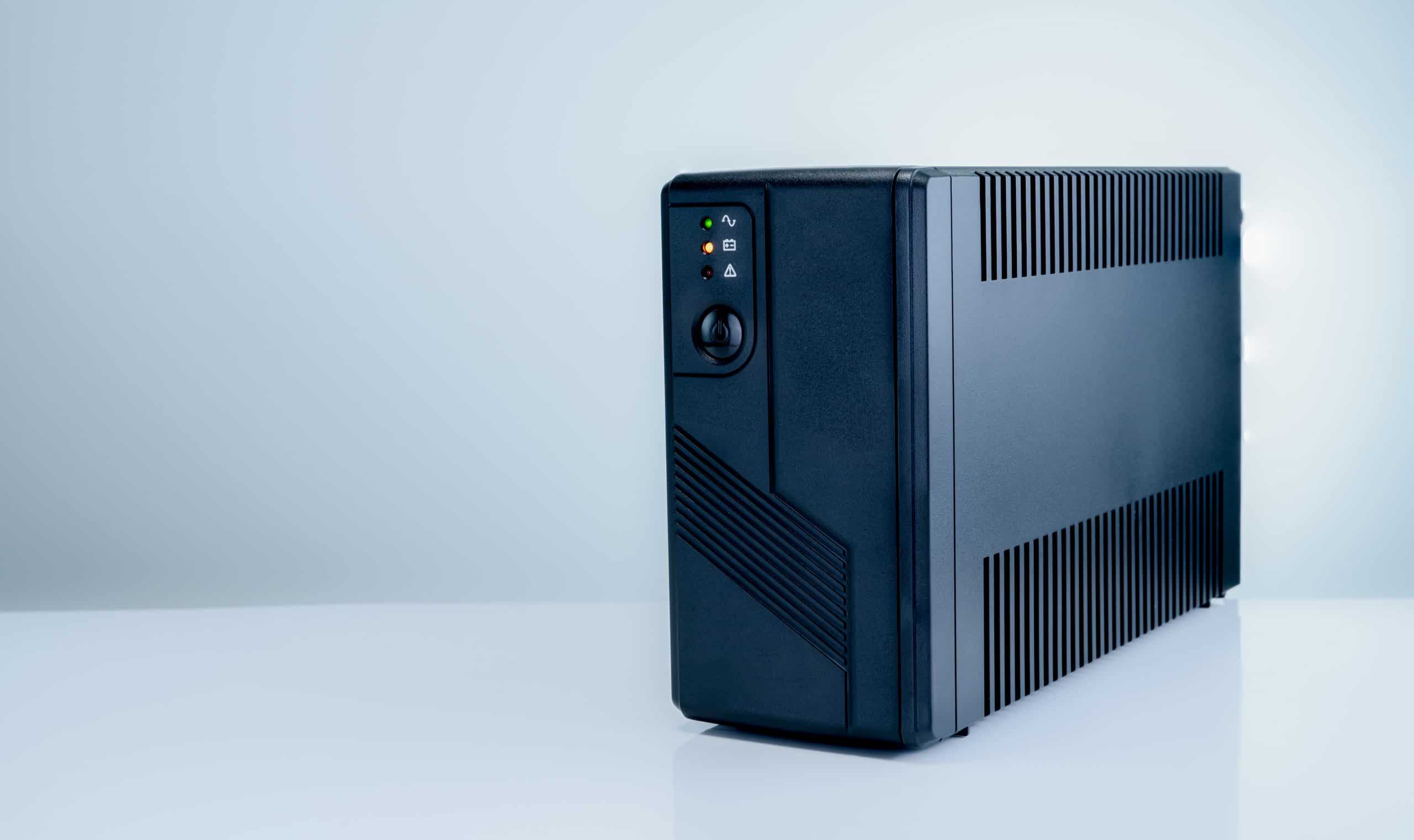
Uninterruptible power supply (UPS) systems provide a different function. Rather than waiting for a generator to start, a UPS can supply power immediately when the utility supply fails. This makes UPS systems particularly useful for sensitive electronic equipment and other loads that cannot tolerate even a short interruption. Batteries provide power during the transition and, depending on the system, can continue supplying the load for a limited period or bridge the gap until another backup source is available.
Battery energy storage systems are also becoming part of backup power strategies. These systems can store electrical energy and discharge it when required, potentially supporting critical loads during an outage. Their capabilities and appropriate applications depend on factors such as battery capacity, required operating duration, electrical infrastructure, and the building’s overall energy strategy.
For healthcare facilities and other critical environments, backup power involves more than simply installing a generator. Electrical distribution must be designed so that emergency power reaches the systems that require it, while equipment rooms, fuel supplies, ventilation, fire protection and maintenance access must also be considered. Applicable electrical, building, and fire safety requirements can impose additional requirements depending on the facility and jurisdiction.
Backup energy systems should be considered during the early stages of commercial building design, rather than treated as an equipment decision at the end of construction. Determining critical loads, required operating durations, available space, fuel or charging requirements, electrical distribution, and maintenance requirements early in the process allows the backup system to be integrated into the building rather than retrofitted around an existing design. For facilities where continuity of operations is critical, a resilient electrical system that has been carefully planned for is essential for protecting key building functions and reducing the consequences of an unexpected utility interruption.
Looking for a team to take the lead on your next project? At Pulse Construction, we’re committed to doing business with an honest, professional, and competitive approach – without compromising safety or schedules. Contact us today for all of your building needs.