Modern commercial buildings depend on far more than electricity, plumbing, and HVAC systems. Reliable internet connectivity, wireless coverage, security systems, and building automation technologies have become essential components of day-to-day operations. As a result, planning for data and communications infrastructure is no longer an afterthought; it is a critical part of the design and construction process.
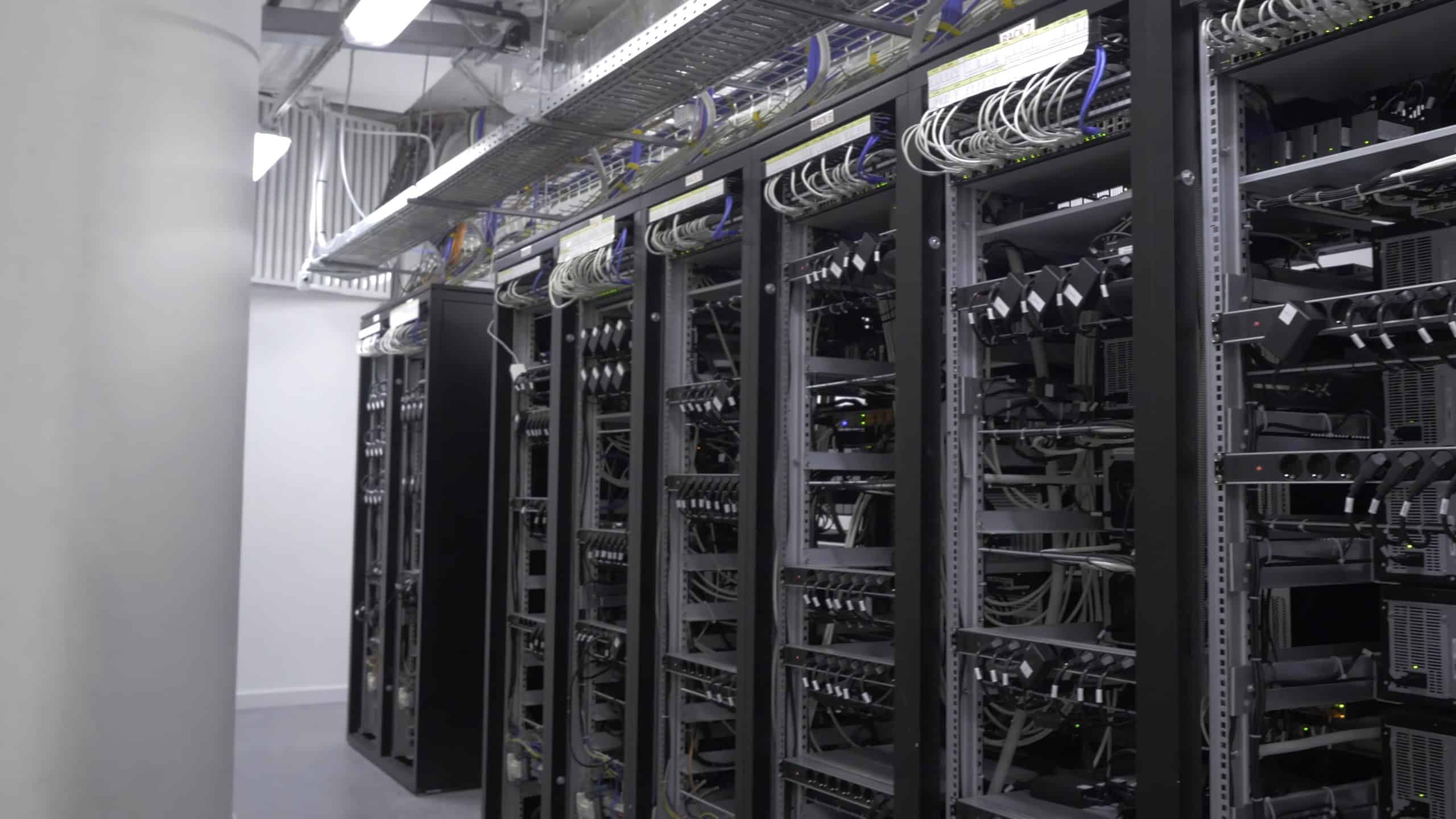
At its core, data and communications infrastructure refers to the systems that support the movement of information throughout a building. This includes structured cabling, fibre optic connections, telecommunications rooms, wireless access points, server rooms, security systems, audiovisual systems, and connections to external service providers. Increasingly, it also includes infrastructure that supports smart building technologies and Internet of Things (IoT) devices.
One of the most important considerations is determining current and future connectivity requirements. While a building may initially have modest networking needs, tenant demands and technology requirements can evolve significantly over time. Designing infrastructure with future growth in mind helps avoid disruptive upgrades later. Providing adequate conduit capacity, cable pathways, and equipment space can make future expansions significantly easier and more cost-effective.
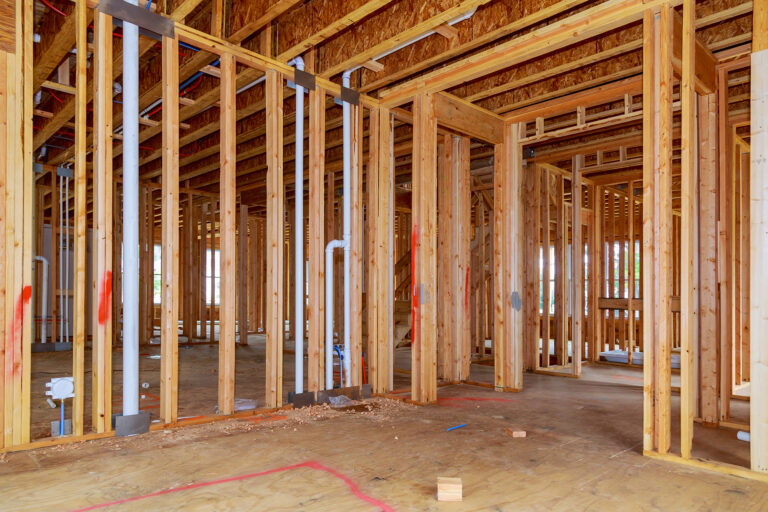
Early coordination between design consultants, owners, technology specialists, and contractors is essential. Data infrastructure often intersects with electrical, mechanical, and architectural systems. Telecommunications rooms require dedicated space, cooling considerations, and access to power. Cable pathways must be coordinated with structural elements and other building systems. Without proper planning, conflicts can emerge during construction that result in delays, redesigns, or additional costs.
External utility connections are another key factor. Commercial developments typically require coordination with telecommunications providers to establish internet, telephone, and fibre services. Lead times for these connections can be significant, particularly in developing areas where infrastructure upgrades may be required. Identifying service requirements early in the project helps ensure communications systems are available when the building is ready for occupancy.
Wireless connectivity has also become a major planning consideration. Occupants increasingly expect seamless Wi-Fi coverage throughout a facility, including common areas, meeting spaces, and outdoor environments. Achieving reliable coverage often requires strategic placement of access points, consideration of building materials that may interfere with signals, and sufficient pathway capacity to support upgrades.
Security and life-safety systems frequently rely on communications infrastructure as well. Access control systems, security cameras, intercoms, emergency notification systems, and building automation platforms all require network connectivity. Integrating these requirements into the overall design helps create a more coordinated and efficient building environment.
Flexibility is another important objective. Technology evolves rapidly, and commercial buildings often remain in service for decades. Infrastructure that accommodates future changes, such as higher bandwidth requirements, additional devices, or emerging technologies, can help protect the owner’s investment and extend the useful life of the building.
Successful commercial projects consider data and communications infrastructure as a foundational building system rather than a specialized add-on. By addressing connectivity requirements early and planning for future growth, project teams can create buildings that support both current operational needs and the technological demands of tomorrow.
Looking for a team to take the lead on your next project? At Pulse Construction, we’re committed to doing business with an honest, professional, and competitive approach – without compromising safety or schedules. Contact us today for all of your building needs.